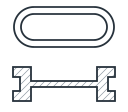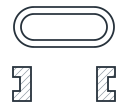
Neoprene, also known as chloroprene rubber, is used in grommets for suitable cable-protection and sealing applications. The compound and part geometry determine its performance in a particular environment.
Define the exposure
Check the operating temperature and contact with fluids, sunlight or weather. Indoor and outdoor conditions should not be assumed to produce identical service life. Use the selected compound's data and the required part tests to evaluate suitability.
Heat and flame performance
Heat resistance and flame resistance are separate properties. A neoprene grommet should not be described as unable to catch fire, or assigned a flame rating, without applicable test evidence. Specify the required method, classification and part thickness when fire performance matters.
Match the mounting-hole dimensions, panel thickness and cable range to the drawing. Any water-sealing function must also be confirmed for the intended assembly.
Make the exposure description specific
Identify each fluid, its temperature and whether contact is occasional or sustained. Include outdoor exposure and mechanical movement where relevant. Use these conditions when confirming the proposed CR compound rather than assuming all neoprene grades behave identically.
Keep heat and flame requirements distinct
State any required flame test and acceptance criteria separately from the operating-temperature requirement. Confirm that the proposed material and finished-part geometry are evaluated for the intended conditions. A general material description cannot supply an application-specific flame rating.