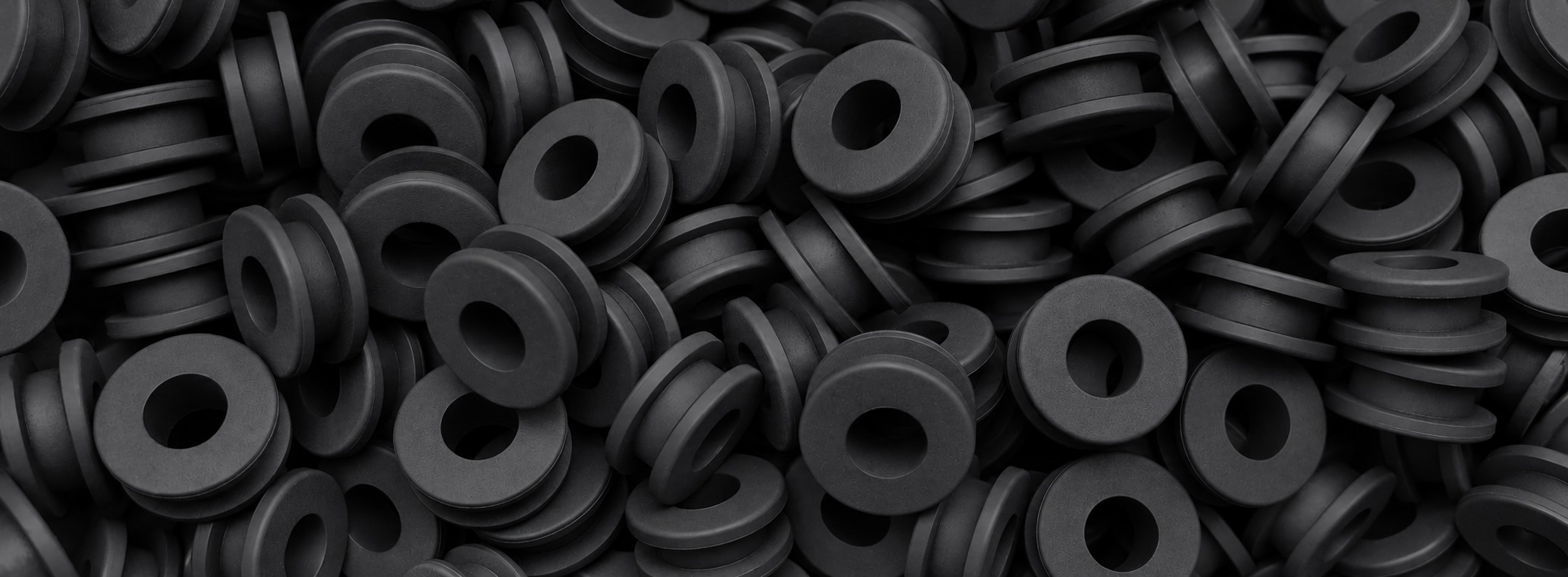
NR
NR (Natural Rubber)
Strength & flexibility
Material details
With high tensile and tear strength, natural rubber grommets are strong and resistant to cracking. They also have good insulation properties.

Standard & custom manufacturing
Standard rubber grommets and custom manufacturing from your drawings or samples.
Explore custom manufacturingSize Finder requires JavaScript. Browse all product types and sizes, or email [email protected] for help with your requirements.
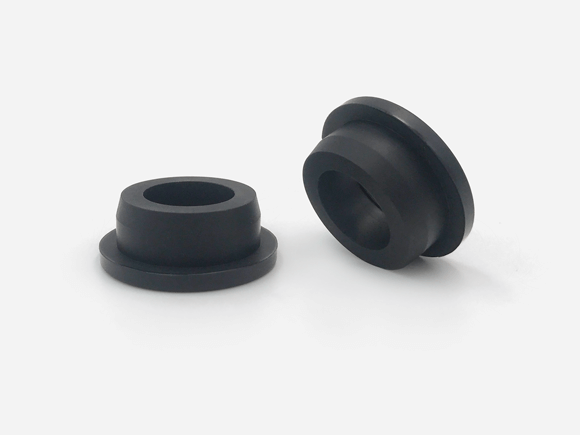
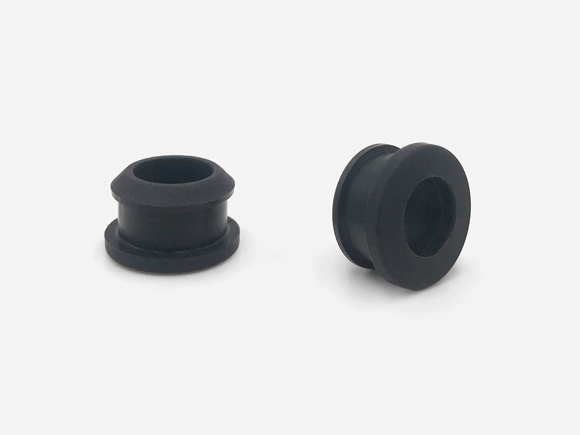
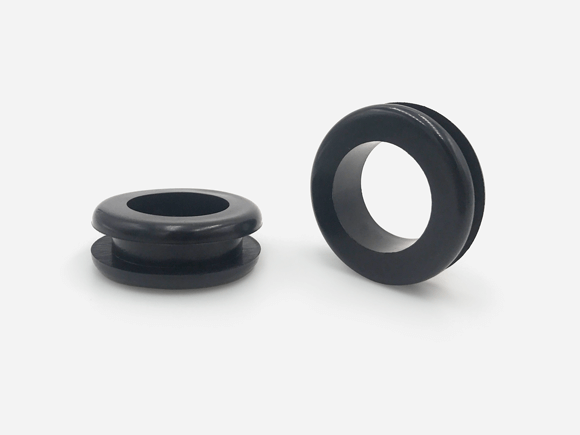
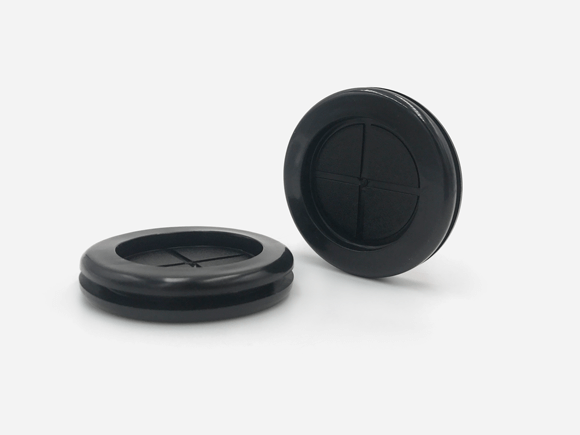
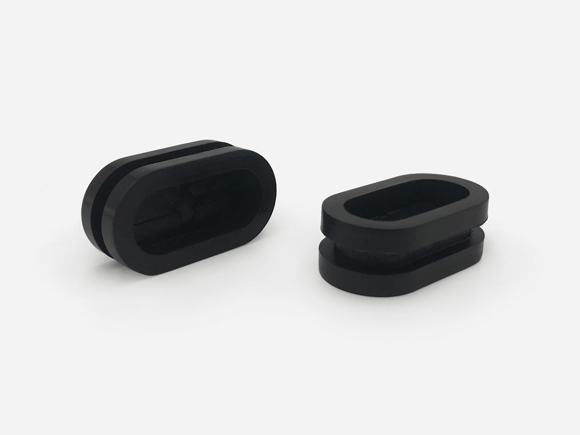
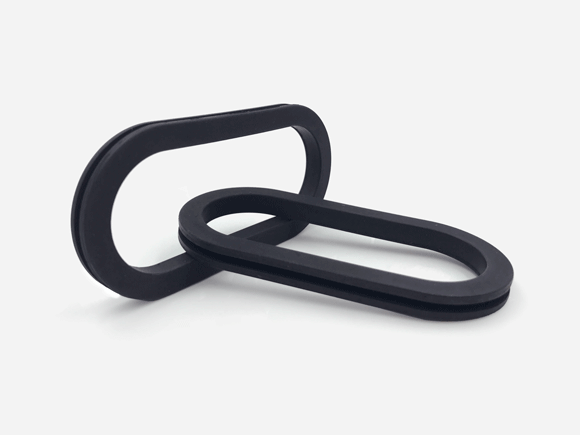
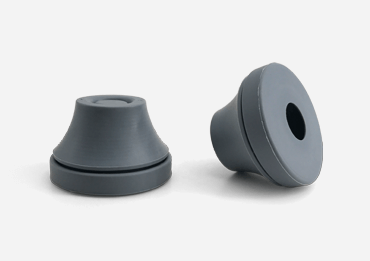
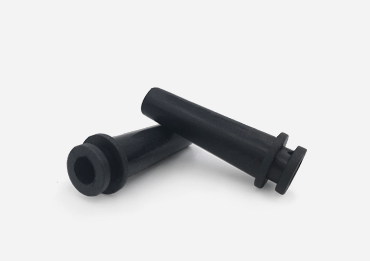
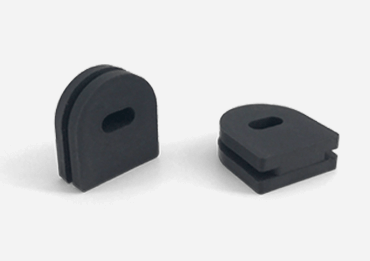
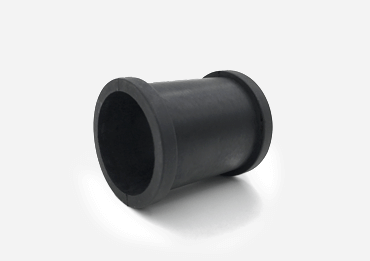
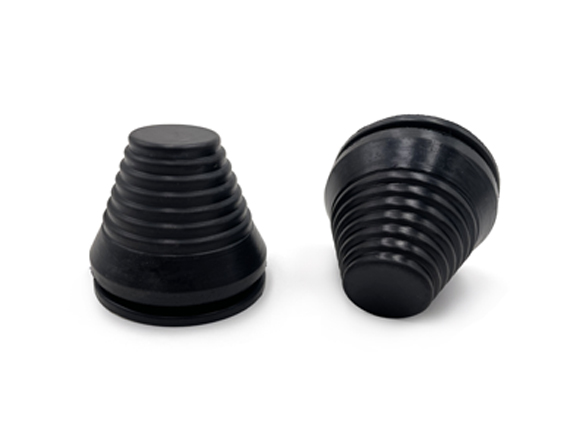
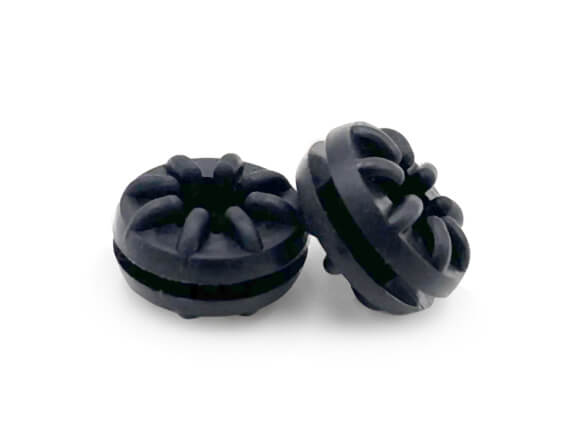
Compare profiles and dimensions in mm or inches. Filter by panel hole size, panel thickness and cable opening to find suitable standard sizes.
Manufactured from your drawings or samples
Specify the shape, dimensions and material. We review your drawing or sample, confirm tooling requirements, and manufacture to the agreed specification.
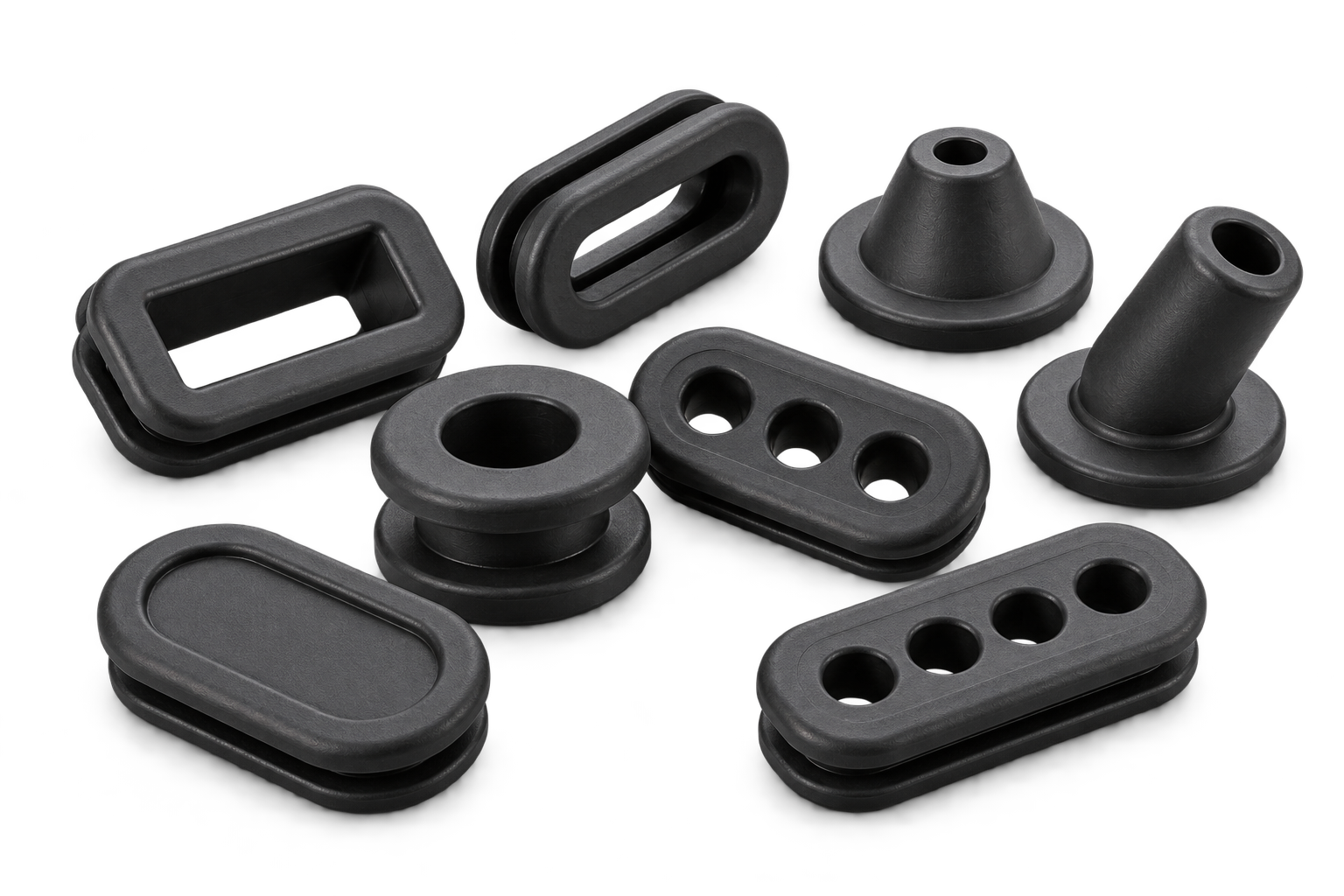
We manufacture standard and custom rubber grommets, with over 20 years of experience and more than 18,000 types of rubber products. Send your drawing or existing sample for a review of manufacturing feasibility, tooling and production costs. Sample production may be possible in as little as 48 hours, depending on the approved specification, material and tooling. We confirm timing in your quotation; shipping time is additional.
Discuss your applicationProtect / Seal / Insulate
Electronics · Machinery · Furniture
Rubber grommets protect wires and cables from sharp panel edges. Sealing performance depends on the grommet profile and its fit with the panel and cable. Tell us your required protection level and test conditions. Common applications include electronics, electrical appliances, machinery, sports equipment, furniture and lighting.
There are many types of rubber materials used for producing rubber grommets. Common materials include Nitrile rubber, Natural rubber, Neoprene, Silicone, and Fluoro rubber. The hardness of these grommets typically ranges from 30 to 60 Shore A. Customers can customize rubber grommets with different materials to suit the specific needs of their products.
Depending on the different applications of rubber grommets and the shape of the holes on the board, rubber grommets are commonly used in the following shapes:
NR
Strength & flexibility
With high tensile and tear strength, natural rubber grommets are strong and resistant to cracking. They also have good insulation properties.
NBR
Oil-resistant applications
NBR (Nitrile) grommets are used in applications requiring oil resistance. Select the compound for the oil, operating conditions and required properties. Antistatic performance must be specified and verified for the selected grade.
CR
Weather & ozone resistance
Neoprene rubber grommets are used where heat, ozone and weather resistance are required. For outdoor or flame-retardant applications, confirm the selected compound and the required test performance.
EPDM
Weather & ozone resistance
EPDM rubber grommets are suitable for outdoor applications requiring resistance to weathering, ozone and water. They are generally unsuitable for petroleum oils and fuels. Confirm the compound for the intended service conditions.
FKM
Chemical & heat resistance
FKM rubber grommets are used for demanding chemical and temperature conditions. Chemical compatibility and continuous operating temperature depend on the compound and application; review the relevant material data before selection.
VMQ
Color & material versatility
Silicone grommets offer temperature flexibility and electrical insulation. Typical service range: -60 to 200°C. Higher short-term temperatures require a specially qualified compound. Water, steam and chemical exposure have separate limits.
Compare temperature ranges and key physical properties.
| Material | Temperature range | Tensile strength | Elongation at break | Rebound resilience | Tear strength | Abrasion resistance |
|---|---|---|---|---|---|---|
| NR (Natural Rubber) | -40 to 70 °C (-40 to 158 °F) | Excellent | Excellent | Excellent | Favorable | Favorable |
| NBR (Nitrile) | -30 to 100 °C (-22 to 212 °F) | Good | Good | Good | Favorable | Favorable |
| FKM (Fluorocarbon) | -20 to 200 °C (-4 to 392 °F) | Good | Fair | Fair | Limited | Favorable |
| VMQ (Silicone) | -60 to 200 °C (-76 to 392 °F) | Fair | Compound-dependent | Fair | Not recommended | Not recommended |
| CR (Neoprene) | -35 to 90 °C (-31 to 194 °F) | Good | Good | Good | Favorable | Favorable |
| EPDM Rubber | -45 to 130 °C (-49 to 266 °F) | Fair | Fair | Fair | Limited | Favorable |
| SBR (Styrene-Butadiene) | -40 to 100 °C (-40 to 212 °F) | Good | Excellent | Good | Limited | Favorable |
Temperature ranges describe typical general-purpose service; fluid-specific limits may be lower. Special short-term capabilities are not continuous-service ratings. Physical ratings describe material families; hardness, tensile strength, elongation at break and compression set require compound-specific testing.

Send your drawing or details of an existing sample. We review manufacturability, tooling requirements and production costs.
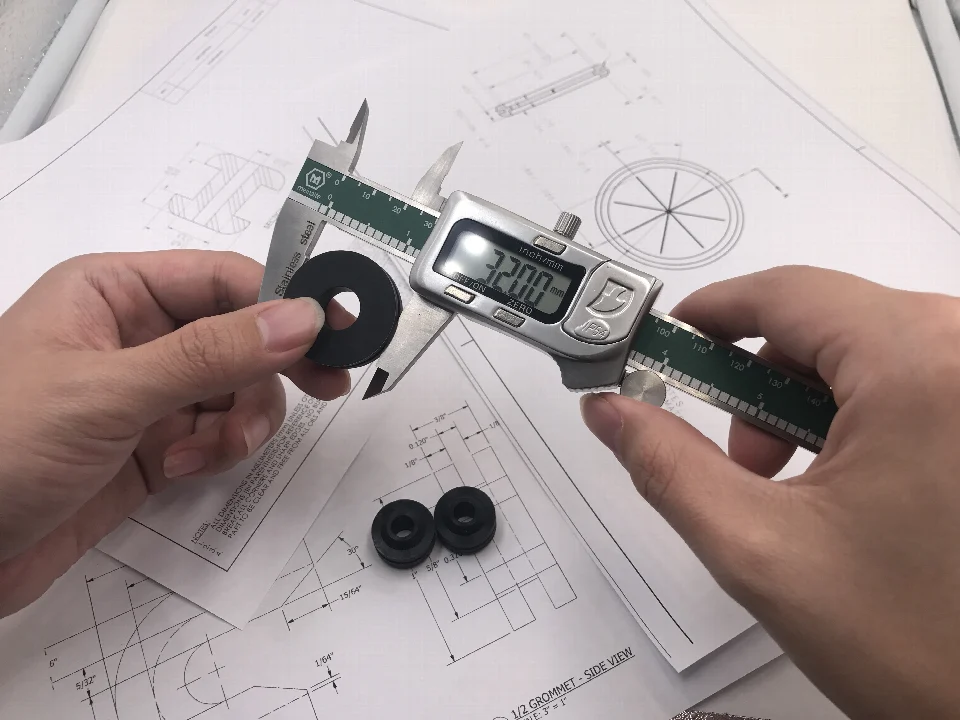
Free samples may be available for eligible projects. Contact us to confirm eligibility and sample arrangements.
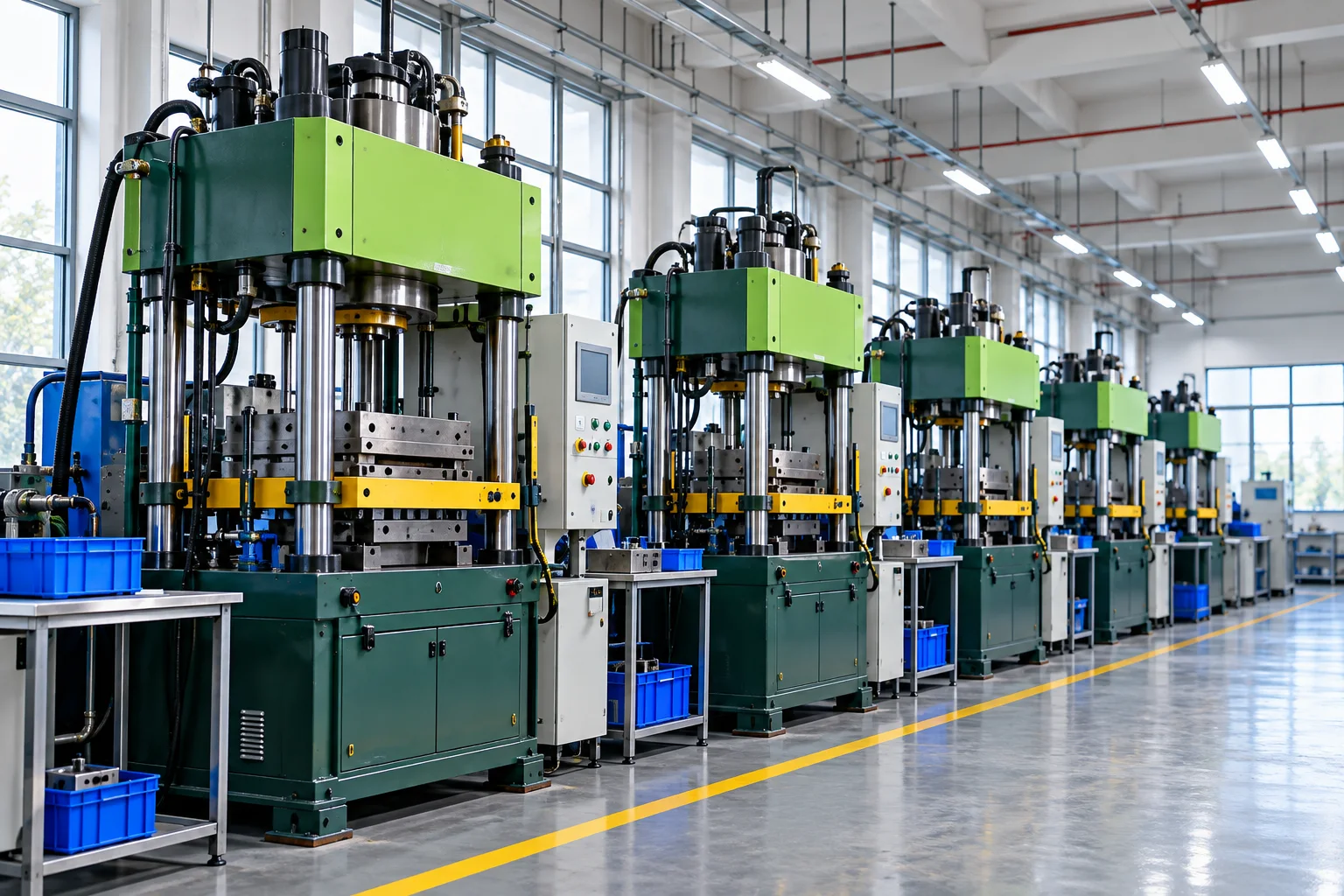
We manufacture to the product specifications and acceptance criteria confirmed by both parties.
Find more options by size, material, color or application.